Sapreno Taste Lab · November 16, 2026
Langoustines: appropriate wine accompaniment
Pairing · 4 min read
Introduction
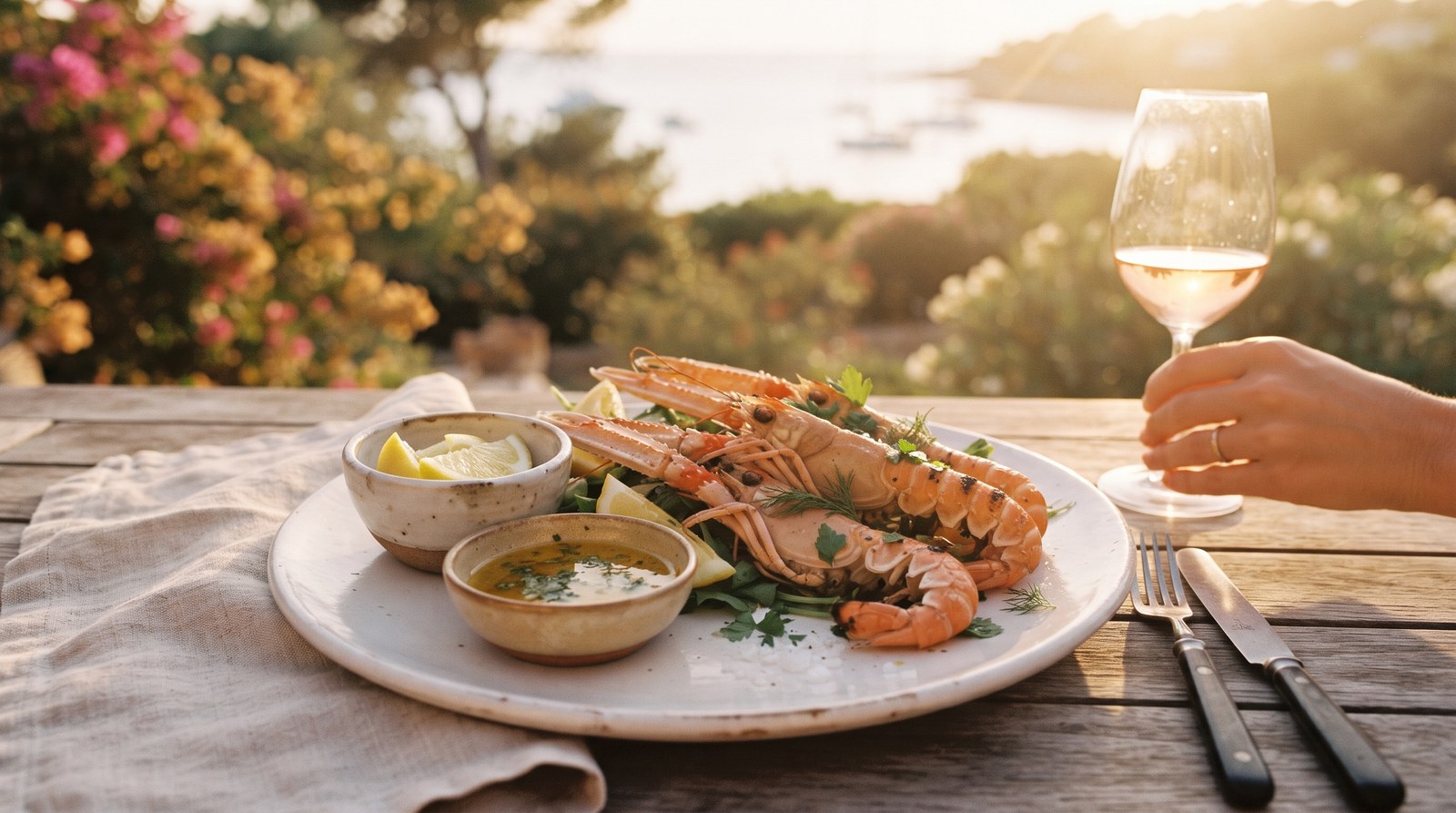
Langoustines (frequently called "Kaisergranat" in German‑speaking regions) are delicate crustaceans. Their characteristic sweetness and relatively tender texture require a careful balance of acidity, body and aromatics when selecting a wine. This text compiles factual, evidence‑based guidance to assist in choosing a suitable wine — without any recipe content or promotional language. Where useful, reference is made to the Sapreno pairing logic: the focus is on the structure of the dish (texture, sauces, accompaniments) rather than on brands or price. The aim is to provide practical orientation that can be applied directly in the kitchen or during tasting.
What to check first: cooking method and accompaniments
Before selecting a grape or a region, check two aspects: how the langoustines were prepared and which components accompany them. The specialist literature advises to match the wine primarily to the sauce or the accompaniment rather than to the protein. An acidity‑driven, light wine has a different role if the langoustines are simply steamed and served with lemon than if they sit in a creamy or spiced sauce. Also decisive are the dish’s texture and weight: lighter preparations call for fresh, precise wines; richer preparations can accommodate more substance.
In practical terms: note briefly whether the preparation is fatty, buttery, acidic, piquant or light. This classification makes selection easier and prevents a too‑heavy or strongly oak‑influenced white wine from masking the delicate crustacean aromas.
(Source: Decanter — rule: choose the wine to match the sauce rather than primarily the protein.)
Typical wine options for langoustines
Loire white wines based on Chenin: The range from crisp to mildly evolved makes Chenin‑based wines flexible for pairings such as mayonnaise or light herb sauces. French professional sources explicitly cite Chenin as a good choice for Atlantic/English Channel shellfish. The versatility allows for both younger, fresher examples and riper, slightly rounder expressions.
Muscadet and Sauvignon styles (Sancerre, Pouilly‑Fumé): These wines generally bring clean acidity and primary fruit aromas that complement seafood with saline freshness. Especially for classic coastal supplies of langoustines, such Ligérien whites are commonly recommended; they highlight marine notes without becoming dominant.
Off‑dry Riesling: If the dish has acidic or slightly sweet accents in the sauce (for example a vinegar‑based dressing or an acid‑bright beurre blanc), a restrained residual‑sugar Riesling can provide balance by softening the acidity while maintaining freshness. This can work particularly well with sauces that have Asian‑inspired components or a touch of chili.
Chardonnay/more substantial white wines: For pan‑seared or butter‑based langoustine preparations, a wine with more body and a fine texture can work — but caution is required with pronounced oak influence, which can overwhelm the delicate crustacean aromatics. Cooler, less oaked Chardonnay styles or finely structured whites with some maturity are often more appropriate than opulent, heavily new‑oak–driven examples.
(Sources: L'Hôtellerie Restauration; Decanter — general notes on weight and texture.)
Practical notes on selection and service
Priority: sauce → cooking method → wine. Match the wine’s acidity and body to the fattier or more strongly seasoned components on the plate.
Preserve freshness: For very lightly cooked preparations, fresher, higher‑acidity white wines work best; they lift the natural sweetness and purity of the meat. Serve these wines well chilled but not ice cold so that aromas remain perceptible.
Use contrasts: With richer sauces, combining somewhat more wine weight (for example riper Chenin or a moderate Chardonnay) and a clear acidity bridge can complement the dish. Take care that the wine does not overpower the delicate crustacean character. A slight residual sweetness can improve harmony in some cases, particularly with mildly sweet‑acid sauces.
Regional logic: Langoustines from the Atlantic/English Channel are traditionally paired with Ligérien whites — this is a culinary convention, not a rule: local preferences and accompaniments may vary. Local white wines often work well due to comparable saline and mineral profile notes.
Sapreno pairing logic
Sapreno assesses pairings by structure: the texture of the main product, the weight of the preparation and the dominant aromas in the sauce. For langoustines this means focusing on the sauce structure and the cooking method — Sapreno criteria therefore help decide whether a fresh, mineral white or a slightly rounder white is more appropriate. The method simplifies decisions by abstracting from fixed rules and instead highlighting the parameters that matter for taste.
Concluding remark
Langoustines are neither trivial nor inflexible: the appropriate wine choice follows an analysis of cooking method and accompaniments. Avoid general blanket recommendations; instead apply the basic rule “wine to the sauce” and then choose, within that framework, a wine with suitable acidity, body and texture. This keeps the langoustines’ delicate sweetness and texture in focus.
Sources